
SCIENTIFIC CATALOG
Products
Browse relevant products, services, and consultable specifications.
85 items

Recombinant Kex2 Protease
This recombinant Kex2 product is produced via expression in Pichia pastoris and carries a His-tag. It exhibits efficient catalytic activity at pH 7.0–9.0 (optimal at 37 °C), retains high stability under mildly acidic conditions (pH 5.0–6.0), and is well-suited for manufacturing recombinant GLP-1 receptor agonist therapeutics and other polypeptide products.
View Details
Recombinant Carboxypeptidase B
This recombinant carboxypeptidase B product is produced via microbial fermentation and heterologous expression in either Escherichia coli or Pichia pastoris, supplied without a His-tag fusion, and exhibits optimal catalytic activity at pH 7.5–9.0. It is ideally suited for manufacturing recombinant insulin and its analogs, GLP-1 receptor agonist therapeutics, and a broad range of other recombinant polypeptide products.
View Details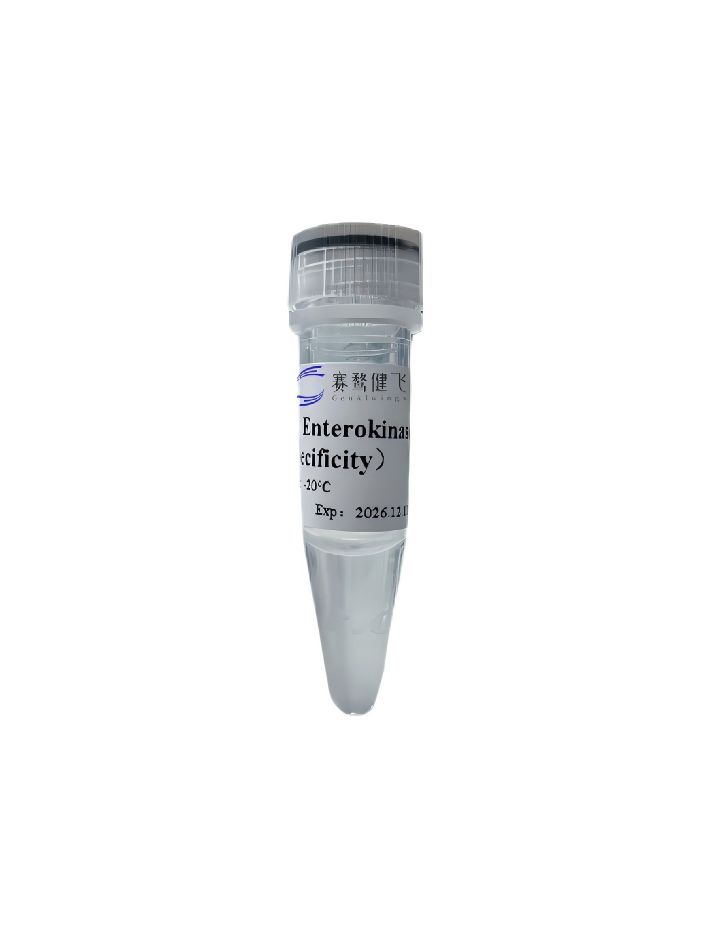
Recombinant Enterokinase
This product is a highly purified recombinant preparation of the bovine enterokinase light chain with strict target sequence specificity, free of contaminating non-specific protease activities, and maintains efficient cleavage performance across a pH range of 4.5–9.5 and temperature range of 4–45 °C.
View Details
phi29 DNA Polymerase
Phi29 DNA polymerase is a thermophilic DNA polymerase cloned from the B. subtilis phage phi29. It has high processivity and strand displacement activity, allowing it to continuously synthesize DNA fragments up to 70kb, making it great for efficient isothermal DNA amplification with high fidelity. There are two types of phi29 DNA polymerase available—one heat-resistant and one highly active—both of which can be used for nucleic acid and gene testing.
View Details
Protein A Affinity Resin
Protein A Affinity Chromatography Resin This resin leverages specific binding interactions between its immobilized Protein A ligand and the Fc region of antibodies to achieve rapid capture and purification of target antibodies. Through targeted protein engineering of the Protein A ligand, the resin demonstrates high tolerance to 0.5–1.0 M sodium hydroxide (NaOH), which greatly extends its operational lifespan.
View Details
Thermostable T7 RNA Polymerase
This product is a genetically engineered DNA-dependent RNA polymerase that is highly specific to the T7 phage promoter. Compared to wild-type T7 RNA polymerase, it can efficiently transcribe in vitro at temperatures between 37 and 54°C.
View Details
Mild Elution Protein A Affinity Resin
Mild-Elution Protein A Affinity Chromatography Resin Developed via targeted engineering and optimization of the Protein A ligand, this resin elevates its elution pH to 5.0. It resolves the well-documented purification bottleneck for low-pH-sensitive antibodies, and is fully compatible with purification of complex bispecific antibody (bsAb) modalities.
View Details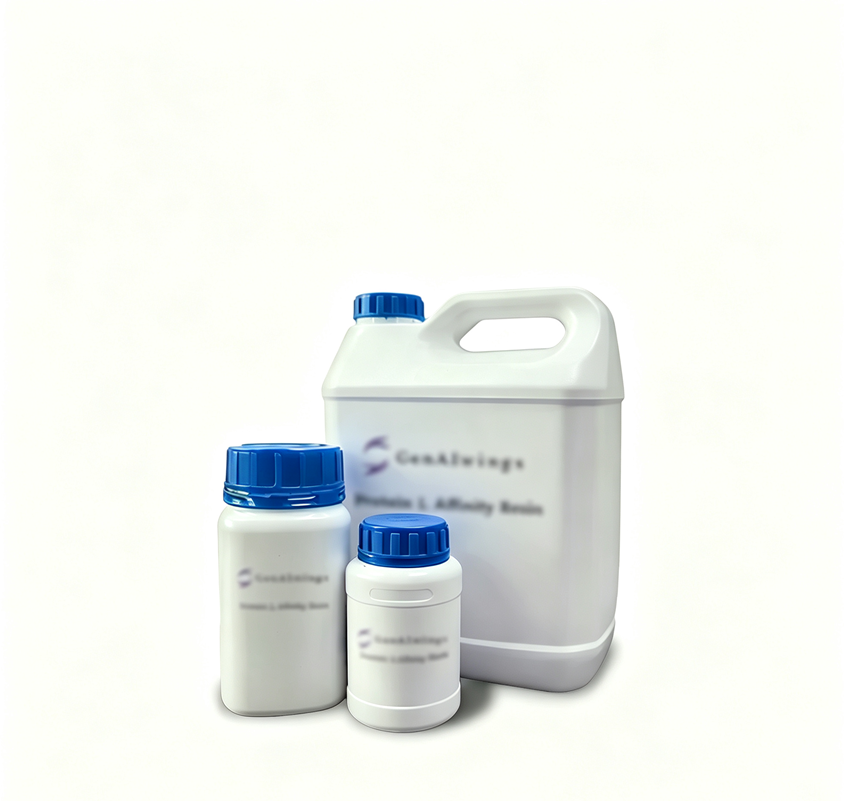
Protein L Affinity Resin
Protein L Affinity Chromatography Resin This resin enables rapid capture and purification of target antibodies via the highly specific binding interaction between its immobilized Protein L ligand and the kappa (κ) light chain of immunoglobulins.
View Details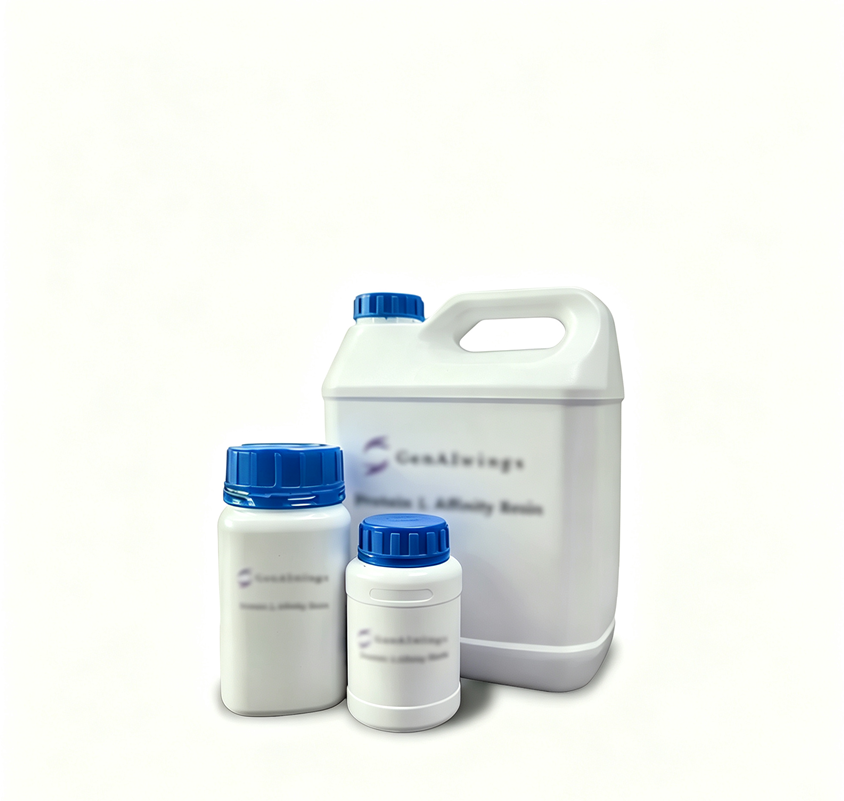
Protrin G Affinity Resin
Protein G Affinity Chromatography Resin Native Protein G is a bacterial cell surface protein originally isolated from Lancefield groups C and G Streptococcus species. It binds immunoglobulin G (IgG) via highly specific recognition of the antibody Fc region, and is widely used for antibody purification workflows. Compared to Protein A, Protein G exhibits broader species cross-reactivity and superior coverage of diverse IgG subclasses.
View Details
rPTA
Leveraging an advanced bio-enzymatic depolymerization process, waste textiles are efficiently converted into recycled purified terephthalic acid (rPTA). The final product features high purity, with performance fully comparable to that of virgin PTA
View Details
rPET
Using advanced biocatalytic depolymerization technology, waste PET is efficiently converted into recycled PET, with high purity and performance comparable to virgin materials
View Details
VHH Affinity Resin
This affinity resin demonstrates exceptional binding specificity, with selective, targeted recognition of either the CH1 or CH3 constant domain of the immunoglobulin heavy chain. Rationally engineered for high caustic (alkali) stability, it delivers a substantially prolonged operational lifetime compared to conventional unmodified affinity media.
View Details